


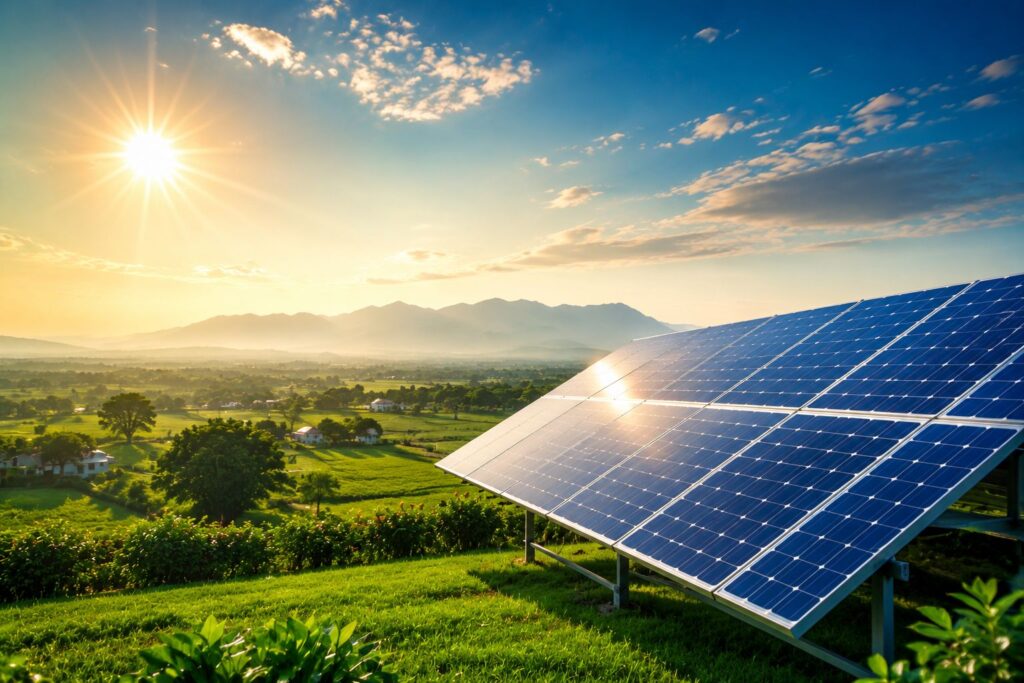
Electricity bills keep climbing every year in Pakistan, and more families are searching for a way out. That search almost always leads to one question: why is solar energy renewable, and can it really replace the power we pull from the grid? The short answer is yes. The sun is not something we can use up. It rises every morning and keeps producing energy whether we tap into it or not, and that single fact is what makes solar different from coal, gas, or oil.
At Knox Solar, we get asked this question almost daily by customers who are new to solar. In this blog, we explore why sunlight has become the most trusted renewable energy source on the planet.
What Does Renewable Actually Mean?
First, let’s understand the meaning of renewable resources. These are natural resources that are replenished over time and do not run out within a human lifespan. The wind, water, and sunlight are all examples of these types of energy. Coal and oil, which, when consumed, are gone forever, took millions of years to form in the first place.
Solar energy fits all the criteria of this definition. It is produced by the Sun, which is a large ball of hydrogen and helium gas that has been burning for about 4.5 billion years and will continue to burn for another 5 billion years, scientists say. In human terms, that’s as close as we are going to get to endless.
Why Solar Energy Is Renewable, Explained Simply
1. The Sun Never Sends an Invoice
Unlike a gas plant that needs fuel delivered every day, a solar panel needs nothing but daylight. There is no mining, no drilling, and no fuel truck involved. The energy source is already sitting above us, free of charge, and it arrives again the next morning no matter how much we used the day before.
2. It Replenishes Itself Every Single Day
Sunlight does not deplete. Even after decades of solar farms operating across the globe, the sun has not slowed down one bit. This constant, daily renewal is the real reason solar sits firmly in the renewable category while fossil fuels do not.
3. Nothing Gets Burned or Consumed
Traditional power generation relies on combustion, and combustion always eats away at a finite stockpile. A solar panel works differently. Photovoltaic cells simply react to light and push out electricity, with nothing being consumed or destroyed in the process.
How a Solar System Actually Produces Power
It helps to understand the journey electricity takes once it leaves the panel, because that is where the everyday benefit of solar becomes clear.
One: Sunlight lands on the panel, and photovoltaic cells absorb it. Two: The cells convert that light into direct current, or DC, electricity. Three: An inverter changes the DC power into alternating current, or AC, which is what your appliances actually use. Four: The electricity either powers your home right away or gets stored in a battery for later, such as during load shedding or after sunset.
If you want to see how a full setup fits together, Knox Solar’s product range covers everything from inverters to storage batteries designed for exactly this cycle.
Is Solar Energy Renewable or Not? Clearing the Confusion
A lot of people mix up the panel with the power source, and that is where the confusion starts. Solar panels themselves have a working life, usually somewhere between 25 and 30 years, and they eventually need replacing or recycling. But that limited hardware lifespan has nothing to do with the sun itself. The sunlight keeps flowing regardless of how old any single panel is, which is exactly why the answer to whether solar energy is renewable or not remains a firm yes every time it is asked.
Solar Compared to Fossil Fuels
Putting the two side by side makes the gap obvious.
Fossil fuels are limited in supply, release harmful emissions when burned, and their price tends to rise as reserves shrink.
Solar energy has no ceiling on supply, produces electricity without smoke or emissions, and once your system is installed, the running cost drops dramatically compared to a grid connection.
This is exactly why so many households across Pakistan are moving toward residential solar solutions instead of waiting for the next tariff hike.
Why This Matters for Pakistan in 2026
Load shedding, rising fuel import costs, and unpredictable tariffs have made energy independence a real priority for Pakistani households and businesses alike. A few things are pushing solar further into the mainstream this year.
Electricity prices keep rising faster than most household budgets can absorb. Net metering policies now reward homeowners who feed extra power back into the grid. More families want backup power that does not depend on diesel generators or grid schedules. Modern systems, including Knox Solar’s energy storage options, now pair panels with smart batteries that keep the lights on even after dark.
Common Misunderstandings About Solar
Myth: Panels stop working on cloudy days. Not true. Output drops a little, but panels still generate power as long as there is daylight.
Myth: Solar is only for wealthy households. Prices have fallen sharply over the past several years, and with net metering, many systems pay for themselves faster than people expect.
Myth: Solar systems need constant maintenance. In reality, a quick wipe down every so often is usually all that is required to keep panels performing well.
You can find more answers like these on our FAQs page, where we cover the questions customers ask most often before switching to solar.
The Future of Solar Technology
The future of solar energy looks promising for homeowners and businesses planning to switch to renewable power. Modern solar panels are becoming more efficient at converting sunlight into electricity, while hybrid solar inverters and battery storage systems are getting smarter and more affordable. Installation costs continue to decline, making solar power systems more accessible than ever. As technology advances, homes and electric vehicles (EVs) are becoming part of the same smart energy ecosystem, allowing families to generate, store, and use clean energy from a single integrated solar solution.
As these improvements roll out, solar is shifting from being a backup option to becoming the primary power source for a growing number of homes and businesses.
Choosing the Right Solar Company
Understanding why solar energy is renewable is one thing. Getting a system installed correctly is another. That is where working with an experienced provider makes a real difference. Knox Solar designs, installs, and maintains solar systems built for the realities of Pakistan’s climate and grid conditions, from rooftop residential setups to larger commercial installations.
Our team handles everything from an initial site assessment to helping you apply for net metering, so you are not left figuring out the paperwork on your own. Once your system is running, our monitoring support keeps performance on track for years to come.
Final Thoughts
Solar energy earns its renewable label because of one simple truth: the sun is not going anywhere, and it does not send us a bill. Every morning it rises again, ready to power homes, offices, and factories without depleting anything or polluting the air. As Pakistan continues to face rising electricity costs and an unreliable grid, solar has quietly become less of an alternative and more of a necessity.
If you are ready to see what a solar system could look like for your own rooftop, get in touch with our team through the Knox Solar contact page and we will walk you through the options that fit your home or business.
Frequently Ask Questions
Why is solar energy renewable? Because it comes from the sun, a source that keeps producing energy every day without ever running dry.
Is solar energy renewable or not? Yes. Sunlight replenishes itself constantly, which places it firmly in the renewable category alongside wind and hydro power.
Does solar energy ever run out? No, though daily output does shift with weather and the time of day.
What is the biggest advantage of switching to solar? Clean electricity that lowers your monthly bill while cutting down on harmful emissions.