


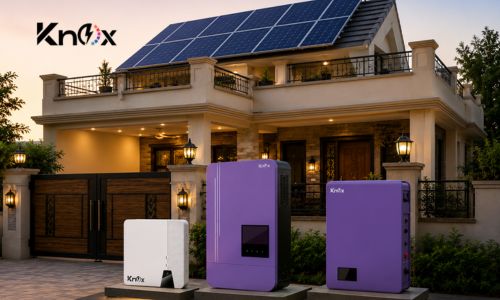
Choosing the best solar setup is not optional; it is necessary because it affects your energy costs and reduces stress. After a solar energy system, homeowners now have access to a range of solar options. The decision on which system to choose will depend on factors like home energy requirements, geographic location, and budget.
After reading this blog, you will be able to decide on the best solar installation plan according to your needs.
Important Factors to Consider Before Buying a Home Solar System
Energy Requirements
It is important to estimate which solar plan can fulfill your daily home usage requirements. Because if you are not finding the best solar options, then maybe you will buy those solar inverters that are for higher power or for low power usage.
Placement of solar panels on your Roof
If you are buying a heavy setup, you have no plan for where you would actually install it properly for maximum utilization of the solar system. Homes that receive more direct sunlight can generate higher amounts of solar energy.
Battery Storage option
Some good Knox solar systems have also come with the option of battery storage. Using two batteries is helpful for you to store energy as a backup and during cloudy periods. The battery will provide a source of energy to inverters.
Maintenance and Warranty
Solar systems require very little upkeep, making them a convenient long-term energy solution. However, it is important to review the warranty coverage for key components such as solar panels and inverters. A comprehensive warranty helps protect your investment and ensures dependable performance for years to come.
Solar System Recommendations for Home Use
Here are some of the best Knox solar options for home use.
Solar System Recommendations for Home Use – Knox Solar
With Knox Solar, you can rely on clean, reliable energy with services that fit your home’s every need. From costing less to consume electricity each month to becoming totally energy independent, having the right solar setup can be a huge difference. There are so many different options available when choosing between an on-grid or off-grid system that you’ll get the best results by talking with our experts to determine the right system for your area, power usage, and long-term objectives. Below, we’ve shown you the best of Knox Solar’s offerings for both configurations.
On-Grid vs Off-Grid Solar Systems – Knox Solar
| Feature | On-Grid System (Knox Solar) | Off-Grid System (Knox Solar) |
| Best For | Urban/suburban homes with stable grid access | Remote areas, frequent outages, full independence |
| Battery Storage | Not required (optional add-on available) | Required — Knox Solar Lithium Battery Packs |
| Upfront Cost | Lower (no batteries needed) | Higher (battery investment included) |
| Net Metering | Yes sell excess power back to the grid. | No grid connection not available |
| Power During Outage | No (unless upgraded to Knox Hybrid System) | Yes, fully self-sufficient |
| Maintenance | Low, backed by Knox Solar service plans | Moderate Knox Solar offers annual battery checkups |
| System Size Needed | 3–5 kW (average home) | 5–8 kW + backup capacity |
| Payback Period | 5–7 years | 7–10+ years |
| Recommended For | Cost-conscious homeowners on the grid | Homes needing reliable backup or off-grid living |
Recommended Components for a Home Solar System
Residential On-Grid Inverters
For homeowners looking for dependable, three-phase power conversion, the Xerox G4 Pro series is one of Knox’s strongest residential and light-commercial options, scaling from 5 kW up to 25 kW. Its dual MPPT design allows it to operate between a 150-1000V MPPT voltage range, while its maximum input voltage is 1100V, and it not only operates in cold temperatures but can also handle extreme heat up to +60°C.
In addition to reverse polarity and short circuit protection, built-in surge protection is type II, and custom settings for limitation functions for household use can be set during the live performance as needed to provide greater control over the way a system interacts with the grid.
Residential Energy Storage (Powerwall Series)
Pairing your inverter with battery storage is what turns a grid-tied system into genuine backup power. The Powerwall 6.0-IP20 is a 51.2V, 100Ah lithium-ion battery built on LiFePO₄ chemistry, rated for over 6,000 charge cycles at 80% depth of discharge.
Its integrated battery management system balances individual cells for a longer lifespan and includes overcharge, over-discharge, and short-circuit protection, giving households a stable and safe way to store solar energy for evening and overnight use. It’s part of Knox’s broader residential energy storage lineup, which also includes higher-capacity Powerwall and Rackwall models for larger households.
Benefits of a Good Quality Solar System for Home
- Lower electricity bills: generating your own power reduces or eliminates dependence on grid tariffs.
- Energy independence paired with battery storage: your home stays powered through outages and load shedding.
- Long-term durability: Knox designs its inverters and batteries to meet international standards such as CE, IEC 62109, and UN UN38.3, so components are built to hold up over years of daily use.
- Increased property value — homes with reliable solar and storage systems are increasingly attractive to buyers.
Conclusion
Having a good quality solar system installed in your home is all about those three things: a correctly sized system, a reliable inverter, and dependable battery storage that can actually provide you with the power you need during an outage. Since 2019, Knox Solar has been developing and manufacturing solar inverters and energy storage systems with reliability and production standards across various climates. If you’d like help sizing a system for your specific home, you can browse the full product catalog or reach out through the contact page for guidance from the Knox team.
FAQs
What is the lifetime of a household solar power plant?
Typically, the warranty on a solar panel lasts 15-30 years, while the Xerox G4 Pro’s warranty is usually much more than that.
Can you use a solar power system to fuel the entire home?
Yes, an appropriately sized home solar PV system with proper battery storage can satisfy the total energy consumption requirements of a home, even if it is not hooked into the electric grid.
Do I need to get batteries with a solar system?
It’s not a requirement, but it is a great added value on top of your system because it allows you to have the extra power when you need it most, and it helps capacity shave costs off of peak tariff electric.