


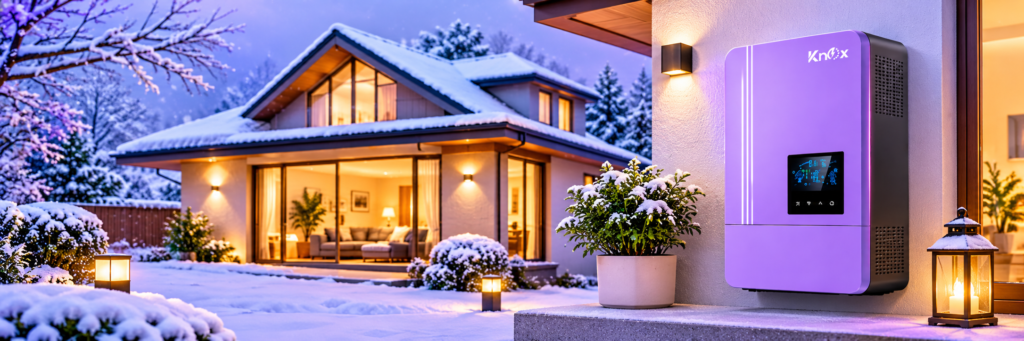
Best Inverter for Home Usage in Winter
Winter changes how a household uses electricity. Days are shorter, evenings arrive early, and heaters, geysers, and extra lighting push the load up just when the grid is most unreliable. If you have ever sat in a cold, dark room during a power cut, you already know why choosing the best inverter for home usage in winter matters. This guide explains what to look for and which brands are worth considering.
Why Winter Puts Extra Pressure on Your Inverter
In summer, most homes depend on fans, lights, and a refrigerator. In winter the load looks different:
- Electric heaters and geysers draw far more power than fans.
- Longer evenings mean lights, TVs, and chargers stay on for more hours.
- Cold weather reduces battery efficiency, so a weak battery struggles to deliver full capacity.
- Shorter daylight and cloudy or foggy days reduce solar generation, so solar-powered systems need more careful sizing.
An inverter that handled your summer needs comfortably can fall short in winter. Planning ahead avoids sudden shutdowns and overload trips.
Key Factors When Choosing a Winter Inverter
1. Correct Capacity (kVA/kW)
Add up the wattage of everything you want to run during an outage. Heaters and geysers are the big ones, so decide whether you really need to back them up. Many families run essential loads (lights, fridge, Wi-Fi, TV, fans, phone chargers) on the inverter and keep heavy heating on the main grid or gas. Choose an inverter with 20–25% spare capacity so it never runs at its limit.
2. Pure Sine Wave Output
Modern appliances, LED TVs, and refrigerators with inverter compressors work best on clean pure sine wave power. It protects electronics, reduces humming noise, and improves motor efficiency.
3. Battery Compatibility
Your inverter is only as good as its battery. Tubular batteries are popular for home backup because of their deep-cycle design and long life, while lithium batteries offer faster charging and better performance in cold conditions. Make sure the inverter supports the battery type you plan to use.
4. Efficient Charging
Winter outages can be frequent, leaving little time to recharge. An inverter with efficient charging and, if you have solar, a good MPPT controller will get the most out of limited sunlight.
5. Protection Features
Look for overload, short-circuit, over-temperature, and low-battery protection. Voltage fluctuations are common during winter peak hours, so a wide input voltage range is a real advantage.
6. Solar-Readiness
If you want to cut your electricity bills, choose a hybrid or solar-ready inverter. Even with shorter days, a well-designed solar system still reduces grid dependence and keeps your backup battery topped up.
Luminous: A Trusted Name in Home Backup
Luminous is a well-known brand in the power backup category, recognised for reliable home inverters and batteries. Many households choose it for the following reasons:
- Dependable performance for everyday home loads
- Wide range of capacities to suit small apartments and larger homes
- Compatibility with tubular batteries, which suit long outages
- Strong after-sales awareness, which gives buyers confidence
For families who want a proven name for essential backup, Luminous inverters are a solid choice for winter use.
Knox: Smart Solutions for Modern Homes
If you want a modern, efficient, solar-friendly option, Knox deserves a close look. You can explore the range and get guidance on Knox inverters and solar solutions, which are designed for homes that want dependable backup along with long-term savings.
What Makes Knox Appealing for Winter Use
- Solar-ready and hybrid options that help you rely less on the grid
- Efficient power conversion, so more of your stored energy reaches your appliances
- Protection features that guard your appliances during voltage fluctuations
- Suitable for essential and moderate home loads, from lighting and Wi-Fi to refrigerators and TVs
If you are planning to combine backup with solar panels, it helps to see how the whole system works together. The team at Knox PV can help you size the inverter, battery, and panels around your actual winter consumption rather than guesswork.
Luminous vs Knox: Which Should You Pick?
Both brands can serve a home well, so the decision depends on your priorities:
- Choose Luminous if you want a familiar, established name for straightforward backup during outages.
- Choose Knox if you want a solar-ready system that balances backup with energy savings and long-term value.
Whichever you pick, getting the sizing right matters more than the badge on the box. An undersized inverter will trip in winter, and an oversized one wastes money.
Winter Maintenance Tips for Your Inverter
A good inverter still needs care to perform in cold weather:
- Check battery water levels regularly if you use tubular batteries.
- Keep terminals clean and tight to avoid power loss.
- Place the inverter in a ventilated, dry spot, away from damp walls.
- Avoid deep discharge, because repeatedly draining the battery shortens its life.
- Reduce heavy loads on backup by using gas or other fuel for heating where possible.
- Schedule a professional inspection before winter starts.
Final Thoughts: Choosing the Best Inverter for Home Usage in Winter
The best inverter for home usage in winter is one that matches your load, uses a quality battery, offers pure sine wave output, and gives you the option to add solar later. Luminous is a dependable choice for reliable everyday backup, while Knox is a strong option for homeowners who want efficient, solar-ready power and better long-term savings.
Before you buy, list your essential appliances, calculate the total load, and speak to an expert. To compare options and get advice tailored to your home, visit Knox and find a setup that keeps your home warm, lit, and connected all winter long.